
Why Your Next Gadget Might Be Powered by Invisible Tech.
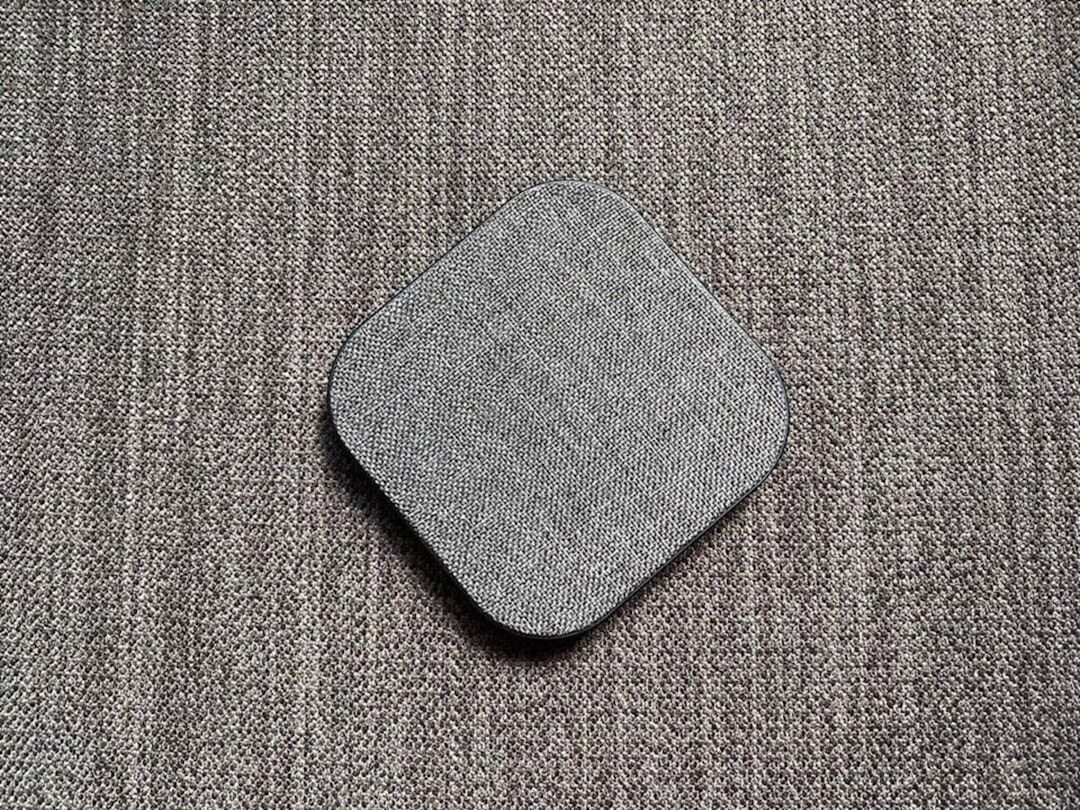
Imagine picking up your phone and never worrying about plugging it in again. That future is closer than most people think, thanks to advances in what experts call invisible tech. These are systems and components hidden from view yet essential to how devices function, from wireless charging pads that blend into furniture to sensors woven directly into fabrics.

The Rise of Hidden Power Sources
Traditional batteries take up space and need frequent replacement or recharging. Invisible tech changes this by using resonant inductive coupling, where energy moves through the air without cables. Companies are already testing furniture with built-in coils that charge devices placed anywhere on the surface. This approach reduces clutter and lets designers create sleeker products that feel more natural in daily life.
Another layer comes from energy harvesting materials. These capture ambient light, heat, or even motion to generate small amounts of electricity. A smartwatch might draw power from your wrist movements alone, extending battery life dramatically. Over time, such features could eliminate the need for traditional charging ports altogether.
Embedded Sensors Changing Interactions
Beyond power, invisible tech includes tiny sensors placed inside materials rather than attached on top. In wearables, this means health monitors that sit beneath the skin or within clothing fibers. They track heart rate, temperature, and activity without any external buttons or screens. Users simply wear the item and receive insights through connected apps.

Smart homes benefit too. Walls and floors can contain pressure and temperature sensors that adjust lighting or heating automatically. No visible switches or thermostats are needed because the system learns from your routines. This creates environments that respond intuitively while staying out of sight.
Materials Science Driving Progress
New compounds like graphene and flexible polymers allow electronics to bend and stretch without breaking. These materials can be printed in layers so thin they become nearly transparent. A television screen might one day roll up like a poster, with all circuitry hidden inside the film itself.
Researchers are also exploring metamaterials that manipulate light and sound in unusual ways. One application involves cloaking devices from electromagnetic interference, keeping signals clean even in crowded spaces. The result is faster data transfer with fewer visible antennas or boosters.
People rarely notice the technology until it stops working, which is exactly the point of making it invisible.
Real-World Examples Already Here
Some current products hint at what's coming. Certain earbuds charge wirelessly when dropped into their case, and the case itself recharges on a pad. Electric toothbrushes have used similar induction for years. Extending this to larger items like laptops or kitchen appliances is the next logical step.

Automotive companies embed charging coils in parking spots so electric cars replenish while parked. Inside the vehicle, dashboards become touch-sensitive surfaces without traditional buttons. All controls hide beneath a smooth panel that lights up only when needed.
What This Means for Everyday Users
Adoption will feel gradual because the changes remove friction rather than add new features. Devices last longer between charges, look better on shelves, and require less maintenance. Concerns about safety and efficiency remain, yet ongoing tests show these systems can match or exceed wired performance.
As production scales, costs should drop. Within a few years, invisible tech could become standard in mid-range gadgets rather than premium extras. The shift encourages designers to focus on user experience instead of hardware visibility.